
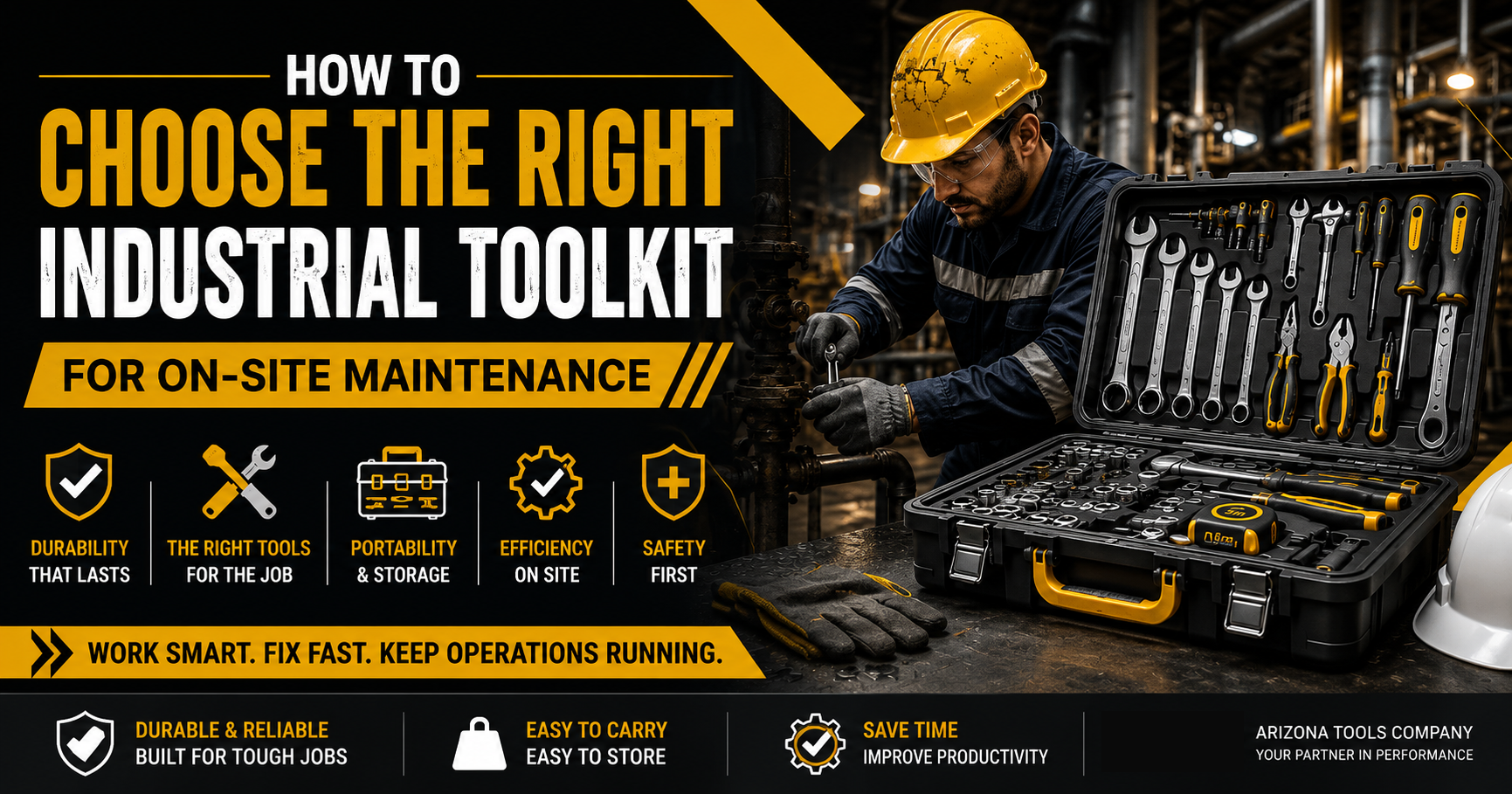
How to Choose the Right Industrial Toolkit for On-Site Maintenance
On-site maintenance doesn’t leave much room for guesswork. When something breaks, you need the right tools—fast. That’s why choosing the right industrial toolkit necessary, more than most people realize.
A poorly chosen kit slows you down. A well-built one keeps your work efficient, safe, and consistent.
This guide breaks down how to choose the best professional maintenance tools and configure a heavy-duty kit that excels under real-world field conditions.
Why Your Industrial Toolkit Matters
In a controlled workshop environment, a technician can walk over to a storage rack and grab another tool.. On-site maintenance is completely different reality.
Technicians routinely face: Severely limited physical access and confined spaces, Tight, high-pressure downtime windows, Unpredictable, hidden mechanical failures. In these scenarios, your mobile toolkit is your entire support system. A properly configured kit helps you significantly reduce equipment downtime, fix complex problems on the first attempt, and eliminate costly, time-wasting trips back to the supply vehicle or warehouse.
The Golden Rule of Field Maintenance: It’s not about carrying more tools. It’s about carrying the right tools.
The 8-Step Selection Framework
Step 1: Understand Your Work Environment
Environment where you are using Toolskit and is it suitable tools for your environment? – Ask yourself first. Suggested answer: Industries: factories, construction sites, or remote locations.
Are you dealing with heavy machinery, pipelines, or electrical systems – Is portability important?
For example, a technician is working on pipelines they need maintenance related tools than someone handling electrical panels.
If your work involves mobility, a compact and durable professional toolkit set is essential. For fixed locations, you can go for a larger, more comprehensive rolling setup.
Step 2: Focus on Core Tool Categories
Instead of picking tools randomly, think in categories. A common industrial toolkit should include:
1. Standard size of spanners and wrenches, screwdrivers and bits, pliers, hammers, files, torque wrenches and allen keys.
2. Measuring tapes, vernier calipers, spirit levels, and inspection mirrors.
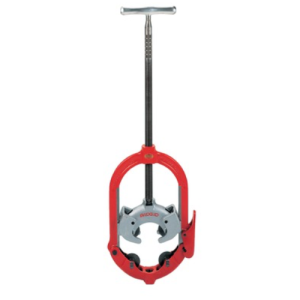
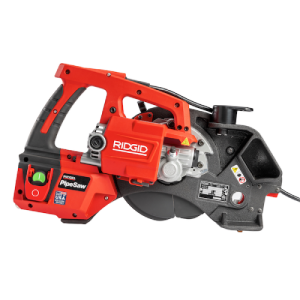
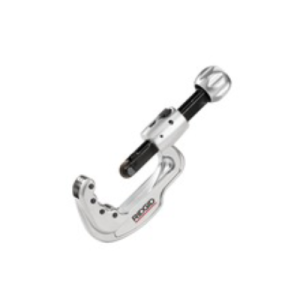
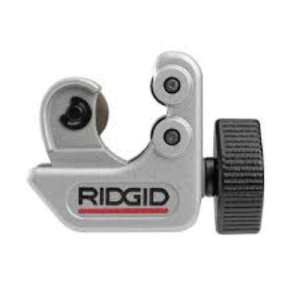
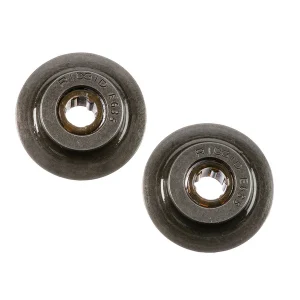
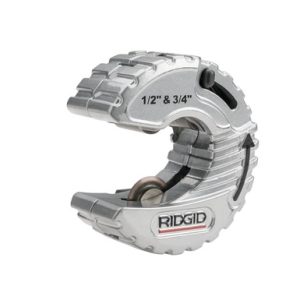
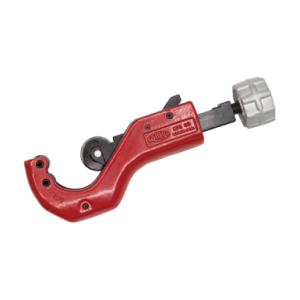
3. Pipe cutters, Pipe Benders, Reamers, Deburring tools, and Hacksaws.
4. Pressing tools, Cordless drills, impact drivers, and compact angle grinders.
These tools are based on mechanical and pipeline maintenance industries.
Make sure the selected tools are safe and certified for your working environment.
Step 3: Choose the Quality Over the Quantity
Buying a large numbers of toolkit, does not always better if we consider all together. High-quality maintenance tools are also an another factor, whose performance act under the pressure and reduce the risk of accidents. Low-quality tools can fail under the pressure or in regular use in industrial settings.
Before purchasing the tools always check their Industrial-grade materials, non-slip grip and Corrosion-resistant



Step 4: Consider Tools Durability
On-site conditions are notoriously harsh. Your tools will regularly face dust, debris, moisture, and rough handling.
Ensure your toolbox and it tools has specific features such as heavy-duty metal, Rust-resistant, Shock-resistant, and weather-sealed quality.
Step 5: Think About The Portability
A messy toolkit wastes time. You don’t want to dig through a pile of tools when every minute counts. Choose an industrial toolkit with organized compartments with labeled sections and easy access design, For mobile technicians: lightweight toolkits are best, alternatively for heavy weight tools – toolboxes with wheels can suitable to manage the heavier loads.
Step 6: Match Toolkits To Specific Tasks Or Industries
A well-planned professional toolkit set is highly tailored, never generic.
Mechanical Maintenance toolkits includes torque wrenches, impact sockets, and alignment tools.
Electrical Maintenance toolkits must have VDE-certified insulated tools and multimeters.
Pipeline Work toolkits carry heavy-duty pipe wrenches, threaders, and cutters.
If your daily tasks vary wildly, consider a modular kit system where you can swap out specialized tool trays depending on the day’s work.
Step 7: Safety Should Never Be an Compromise
Your toolkit should support safe working practices.
That means including: insulated tools (for electrical work), non-slip grips, properly rated equipment, Using the wrong or unsafe tools increases the risk of: injury, equipment damage, costly downtime.
A good industrial toolkit doesn’t just help you work faster. It helps you work safer.
Step 8: Plan for Maintenance and Replacement
Even the best tools wear out under heavy industrial use. Think of your toolkit as a rolling investment rather than a one-time purchase. Set a strict routine to: Inspect tools weekly for cracks, chips, or joint looseness. Clean, dry, and lightly lubricate tools after exposure to moisture or chemicals. Immediately tag and replace damaged items before they fail on the job.
Common Mistakes to Avoid
Buying the toolkits in low cost indirectly compromise on heat treatment and metal quality, leading to rounded fasteners and broken tools.
Extra weight slows you down, clutters your space, and causes physical fatigue over long shifts.
Handles that pinch or slip cause blisters and reduce torque efficiency.
A generic, off-the-shelf kit rarely fits the exact technical nuances of your specific facility
Conclusion
Selecting the right industrial toolkit, which indirectly a preparation of upcoming real-world challenges. By focusing on quality over quantity, task-specific tailoring, certification and extreme durability for relevant environment.
In the world of industrial maintenance, the right tools are not a luxury—they are the line between a quick fix and a costly disaster.
Arizona Tools Company, is India’s authorized RIDGID distributor, based in Kolkata, with 15+ years serving hospitality, pharma, oil & gas, and industrial maintenance teams nationwide.